
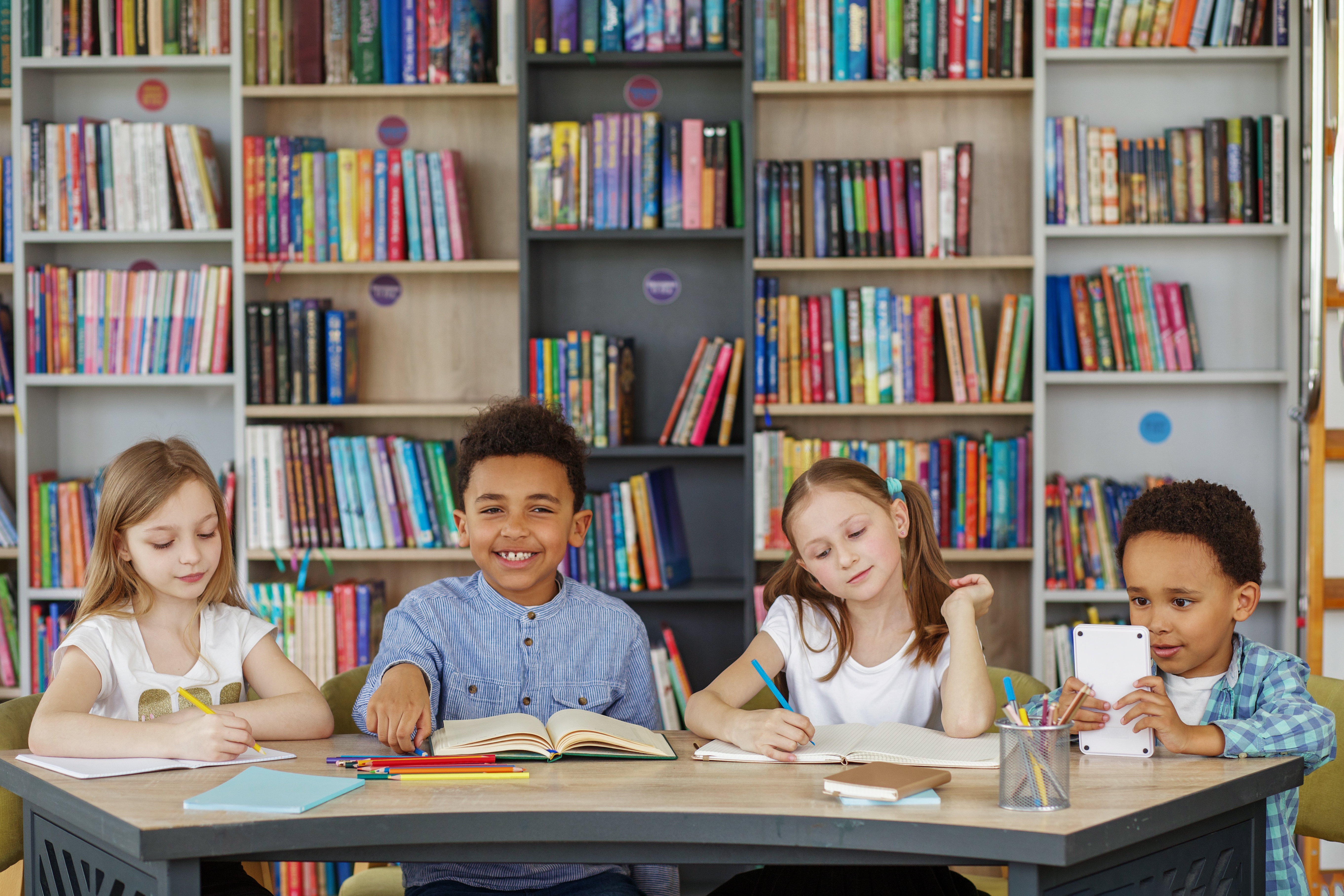
Even with the rise of the digital world and the emergence of new technologies, school libraries have remained the most useful spaces. Libraries inspire students' curiosity and imagination, and serve as a place where students can learn and discover more about the world around them. The role of the library extends beyond to providing students with textbooks. Libraries help to foster a love of reading and develop positive research habits and independent thinking. School libraries provide a calming and supportive setting for students to balance the various elements of their lives while alleviating academic stress.
Table of Contents
- The Role of Library in School Education
- School Library Book Categories
- Benefits of School Library for Students
- Utility Of A School Library
- Importance Of A Library In A School
- What Is the Use of Library in School?
- How to Use Library in School
- School Libraries and Your Interpersonal Skills
- Mayoor School: Encouraging A Reading Culture
- Individual school library
- Conclusion
- FAQs
The importance of school libraries for students, and why they should appreciate libraries, is essential for developing students' confidence and encouraging creativity. Libraries help students develop positive habits for lifelong learning and provide resources to help students complete assignments and foster positive habits for lifelong learning.
The Role of Library in School Education
The role of the library in school is inarguably linked to academic success. The library provides students with age-appropriate and classroom specific resources, which fosters the development of critical thinking and broadens students’ perspectives.
Libaries also encourage self-study. Instead of relying on teachers for all the information, they learn the necessary information search skills, source comparisons, and formulate their own conclusions. This habit, of early age, strengthens analytical skills and builds confident intellect.
School Library Book Categories
The most exciting part of the library is the variety of materials available for reading. The types of books in school library include:
-
Fiction, novels, and short stories
-
Biography and autobiography
-
Science and Technology
-
Encyclopedia and general knowledge
-
History
-
Poetry
-
Stories of morals and values
-
Competitive exam books
-
Magazines and newspapers
Different genres help students identify their interests and increase vocabulary. By overcoming the different types of books in the school library, students increase their knowledge and help cultivate their imagination.
Benefits of School Library for Students
The benefits of a school library for students are to create disciplined students. An orderly library helps to improve time management, concentration and respect for shared materials.
Students develop their comprehension, grammar, and writing skills through reading. Students develop a deeper understanding of various subjects rather than a shallow understanding through rote memorization while spending more time in the library. This is why library students tend to do better on their exams than students who do not utilise the library.
The library is more than an academic resource. It is a safe and quiet place to get away from the hustle and bustle of school. It also fosters emotional development by increasing capacity for empathy and resiliency through the library's collection of books. Some of them are listed below.
1. Academic Assistance: Students get access to extra resources that help solidify their learning in the classroom.
2. Better Communication: Students become articulate speakers and proficient writers by reading books, which improves their vocabulary and writing.
3. Research Skills: Libraries show students the process for finding information, the importance of the information, and how to appropriately give credit to an author.
4. Increased Imagination: Story books and other forms of narrative writing encourage children to think creatively and develop their ability to solve problems.
5. Learning Beyond the Classroom: Visiting the library frequently during the school years develops a desire to learn throughout the years.
Utility Of A School Library
A library not only offers desks and books, but it also offers many things like
-
Digital catalogues and e-books
-
Computer stations for research
-
Reading corners for younger students
-
Discussion areas for group study
-
Audio-visual learning tools
-
Subscription to academic journals
Advanced library facilities in school create an engaging environment where technology complements traditional reading. This blend ensures students remain adaptable in a digital age.
Importance Of A Library In A School
Classrooms provide a structured lesson, while a library lets students explore and engage.
When students pursue personal interests, like science, art, coding, or history, it helps them take ownership. This incredible curiosity helps them in my reading and higher studies.
The need a library is self-evident when students participate in projects that demand more in-depth research. to A library is really important as it shows that students value their school and want to learn.
What Is the Use of Library in School?
Students often think, what is the use of library in school other than lending books? The answer is skills. Libraries help students:
-
Build reading habits
-
Empires on major skills
-
Sharpen the skills of preparation
-
Uncover interest of the students
-
Increase the power of attention
Comprehending what is the use of library in school motivates the children to use this facility positively as not to see as extra.
How to Use Library in School
Understanding how to use the library in school is very important. Students can follow the steps:
-
Learn to use the catalog system to find books you need.
-
Show respect to others by not being loud.
-
Don’t hesitate to ask the librarian for help to find books.
-
Remember the due date.
-
Don’t stay in the same section each time.
Informed students know how to use the library in school and will be able to efficiently utilise the library resources.
School Libraries and Your Interpersonal Skills
A library can help you build your character, not just your grades. Reading books about famous people can motivate you to be more determined. Reading poetry can help you be more in touch with your feelings. Reading books with different opinions can help you be more open to different ideas.
School libraries are important for moulding children’s values. Stories convey messages of kindness, honesty, bravery, and determination. Through reading, students are able to live various scenarios other than their own, thus further developing their empathy and emotional intelligence.
Mayoor School: Encouraging A Reading Culture
Among the celebrated schools in Noida, Mayoor School holds a distinct position for commendable achievement in the impartation of reading skills and the further development of children. The school’s spacious and resourceful library, a feature of quality, underscores the importance of the school library in providing children with the means to develop skills in diverse areas.
Mayoor School’s focus on children’s reading activities, coupled with the provision of support for research and well-directed library activities, equips children with an understanding of the importance of the school library. By providing children with the means to develop their curiosity and self-discipline, the school promotes the responsible and creative use of the school’s library and other resources. This also demonstrates the importance of school libraries in establishing a solid foundation for children to be successful in their future pursuits.
Individual school library
The traditional school library practice has created an environment for students to study and work. In a competitive world, children need to develop the ability to learn and think for themselves. The school library enables students to engage in learning on their own.
Students who make regular use of the library tend to be more successful in post-secondary education, where research and self-study become primary activities. Knowing how to use the library system instils confidence in children to tackle new subject areas.
A lively library space also facilitates teamwork and collaborative activities.
Also Read: Importance of School in a Child’s Development and Education
Conclusion
A school library is more than just a place to keep books. It is the core of an educational institution. The functions of a library in a school include the support of curriculum, the stimulation of imagination and the shaping of good citizens. A variety of books in a school library helps students to enrich their knowledge and, in the process, identify their areas of interest. The positive effects of a library in a school manifest themselves in the enhanced communication skills, research ability and study habits of students.
Appreciating the significance of a school library is an important step that students should take to understand the source of a school library. A modern school library should allow students to use both new technology and old-fashioned books. The functions of a school library do not change. It should always strive to increase students' curiosity, confidence, and character. A library should be a good friend to a student. If a student uses a library, the student will inevitably visit the library on their journey towards success.
FAQs
Q1. How does a school library improve exam performance?
Ans. The role of the library in school includes providing reference books, sample papers, and additional learning materials that clarify complex topics. Regular reading strengthens comprehension and analytical thinking, which helps students write better answers and perform confidently in exams.
Q2. What types of books in the school library are helpful for competitive exams?
Ans. The types of books in the school library that support competitive preparation include general knowledge guides, aptitude books, subject reference materials, yearbooks, and educational magazines. These resources help students stay informed and build a strong academic foundation.
Q3. Why is the importance of the school library for students growing in the digital age?
Ans. Even with online resources available, the importance of the school library for students remains strong because libraries offer reliable, curated content and a distraction-free study environment. They also teach research discipline and responsible information usage.
Q4. How can students make better use of library facilities in school?
Ans. To maximise library facilities in school, students should plan reading time, explore different sections, seek librarian guidance, and use digital catalogues effectively. Participating in reading programs and book discussions further enhances learning.
Q5. What is the long-term need of the library in school education?
Ans. The long-term need of the library in school lies in developing independent learners who can research, analyse, and think critically. Libraries nurture curiosity and lifelong reading habits that continue to benefit students in higher education and future careers.
