
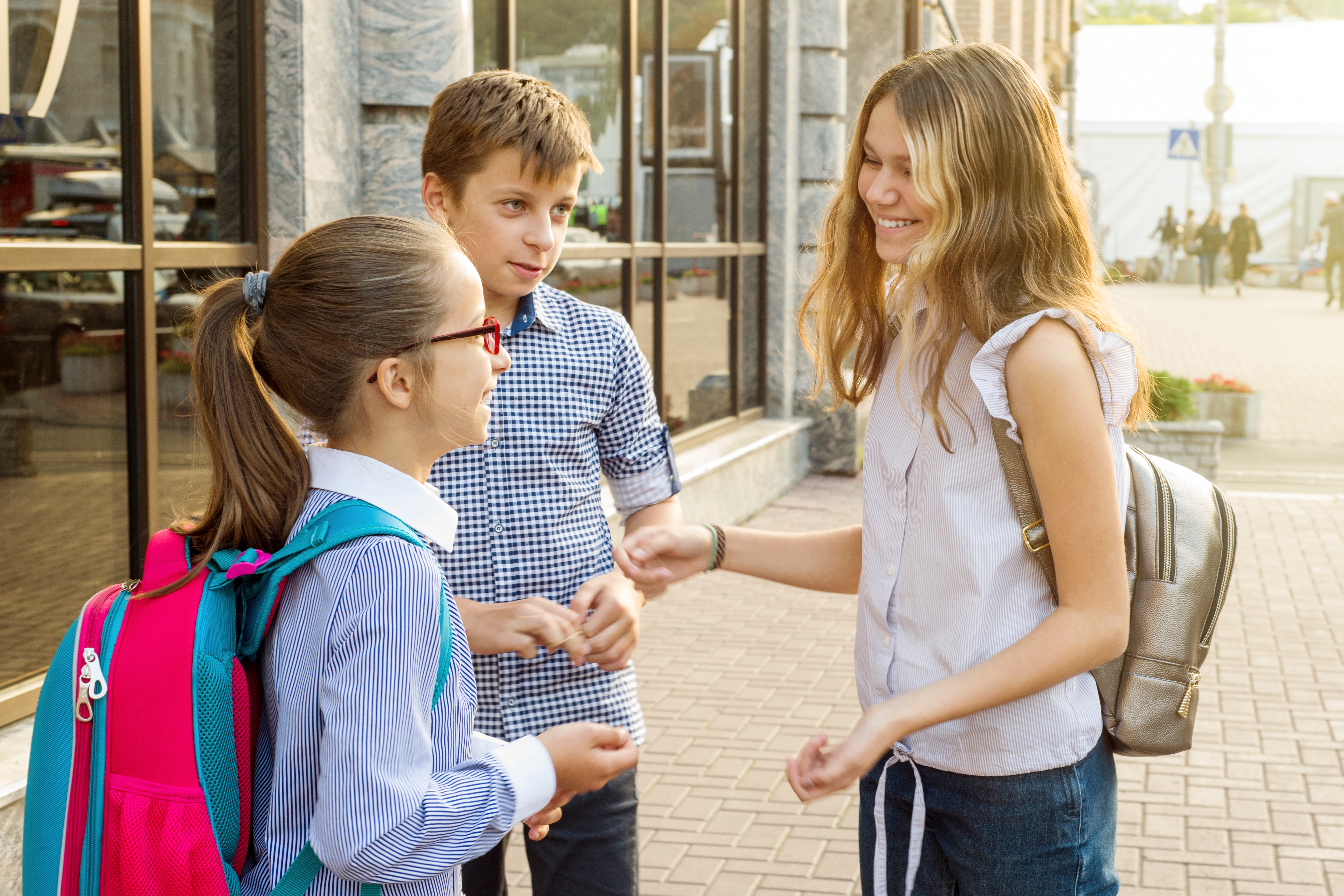
For students, one of the most crucial life skills is the ability to communicate and listen. In academics and other contexts, communicating is a means of bridging understanding and building confidence. Communication encompasses the value and exchange of ideas. The importance of communication for students is not limited to talking in a classroom; it encompasses collaboration, teamwork, addressing and solving issues, leadership, and even constructive emotional regulation. In this modern world, having advanced and assertive communication skills is one of the most vital competitive advantages. The ability to converse your ideas and thoughts articulately resonates confidence. It helps in forming social ties, professional collaborations, and in overcoming challenges.
Table of Contents
- The Importance of Communication for Students
- Importance of Communication Skills In Education
- The Importance of Communication in Life
- Communication Skills for Students in College
- Communication Skills Activities for Students
- The Importance of School in Child’s Development
- How Teachers and Parents Can Help
- Challenges Students Face in Communication
- Long-Term Benefits of Strong Communication Skills
- Conclusion
This article explains the importance of communication skills in education, the role of communication in every aspect of life, and communication skills activities for students. It is hoped that students, parents, and teachers will understand the value communication skills in elevating academic, personal, and professional endeavors.
The Importance of Communication for Students
Communication is vital for students. Communication encompasses a wide range of activities such as listening, speaking, body language, writing, and interacting electronically. Students in schools and universities work together in groups, participate in discussions and make presentations. Proper communication is essential for ensuring that even the brightest ideas do not go unnoticed.
Improved communication skills enable students to:
- Speak in public with confidence.
- Listen actively and understand the lesson.
- Collaborate with others and resolve disagreements.
- Write and tell stories with distinct imagination.
- Meet the demands of future careers as most employers seek soft skills.
Communication truly is the bedrock of personal and academic achievement.
Importance of Communication Skills In Education
The importance of communication skills in education is directly tied to learning outcomes. Education is much more than just absorbing information; it also includes active engagement with that information. Students enrich their learning and enhance their information retention when they pose questions, engage in debates, and offer their ideas.
Some of the key roles that communication fills in education are
- Effective Learning: Students learn to communicate with their teachers and quickly clarify their doubts.
- Improved Cooperation: Group tasks and projects greatly depend on efficient communication.
- Improved Public Speaking: Whether in classroom seminars or during academic competitions, students need to articulate their thoughts in a condensation.
- Developing Critical Skills: Conversations encourage students to consider a variety of perspectives and to come up with their own assessment.
This is to say that communication in education fosters holistic learning, where students become active participants rather than passive recipients of knowledge.
The Importance of Communication in Life
The importance of the importance of communication in life is not limited to a school setting. Relationships, jobs, and day-to-day activities heavily depend on communication. When students understand how to communicate, they develop empathy, leadership, resilience, and other vital social skills.
For example, in today's job market, employers look for candidates who can articulate their thoughts, understand other people's perspectives, and work collaboratively within a team. Strong communication is equally important in one's personal life, where relationships depend on open and honest communication. Communication is key to conflict resolution, and to motivate and encourage others, making it one of the most important tools in life.
Communication Skills for Students in College
In a constantly changing world, communication skills for students in college extends beyond confident speaking. Students also learn how to:
- Listen Intently: Focus on the speaker without interruptions.
- Express Themselves: Speak in a direct and concise manner.
- Eye Contact: Foster trust and assurance.
- Show Understanding: Comprehend how an individual feels.
- Vary Their Communication: Change tone and manner according to the audience for effective delivery.
Not only will the student increase their learning ability, but the student will also be prepared for interviews, leadership positions, and global opportunities.
Communication Skills Activities for Students
Practice is the best way to strengthen one’s ability to communicate. Here are activities for students to improve their communication skills that are enjoyable and effective:
- Discussions in a group: Helps in confident articulation and critical thinking.
- Role Playing: Real life situations like interviews and debates and students sharpen their verbal and non-verbal skills.
- Public Speaking: Brief talks increase the student’s ability to control the anxiety associated with their audience.
- Writing Activities: Communication skills and vocabulary are enhanced through journals, essays, and blogging.
- Listening Activities: Activities such as storytelling and ‘Chinese whispers’ strengthen focus and listening.
- Drama & Theatre: Participating in performing arts can help with body language, expression, and confidence.
- Peer Feedback: Constructive criticism is a vital skill, and students help one another strengthen this skill by reviewing each other's presentations.
These activities to improve communication skills for students provide hands-on learning that strengthen both academic and personal development.
The Importance of School in Child’s Development
When considering communication, we cannot overlook the importance of school in child’s development. Children develop social and interpersonal skills in addition to learning the academics.
- Students engage in informal and unstructured social activities to practice communication skills.
- Schools provide formal and structured activities like debates, presentations, and group projects.
- Verbal and non-verbal communication skills are exercised when teachers provide instructions and feedback.
- Children practice negotiation, empathy, and teamwork in peer activities.
- Drama, speech, and debate clubs, as well as student councils, promote the public side of communication.
These multiple activities provide the right environment and attain school objectives relative to the social, academic, and emotional development of a child.
How Teachers and Parents Can Help
Parents and teachers both help students develop communication skill materials prospective students. Teachers may enhance students’ willingness to share their ideas in open and free environments, and parents may help by talking to students, asking about their day, and having family conversations.
Some of these strategies may include:
- Encouraging students to read and discuss books.
- Participation in family meetings and conversations.
- Engaging with students through feedback and encouragement rather than criticism.
- Arranging for students to meet and interact with their peers in an environment outside of school.
Being with students and communicating in these ways allows students to learn these skills by observation.
Challenges Students Face in Communication
Among students, the need for communicating effectively materials prospective students remains unfulfilled simply due to factors such as extreme reluctance to speak in English, digital distractions that limit conversations. There is a problem from school’s side as these situations require organized structured programs and school led planned activities.
Long-Term Benefits of Strong Communication Skills
Having developed effective communication skills for students advanced the student to a higher spectrum in gaining these abilities:
- Improved performance in academics.
- Having a competitive edge in career.
- Built relationships through strong personal and professional ties.
- Confident and strong leadership.
- Advanced with problem-solving.
- Strong negotiation skills.
The following benefits communicates the advance of communication training as a trackable investment.
Conclusion
The communication students learn and practice over the years is the backbone of transformative learning, personal growth, and ultimately, a successful life. Communication enhances academic performance, equips students with the skills needed in the workplace, and serves as the focal point for building confidence, leadership, and relationships. The relevant stakeholders in a student’s life need to appreciate the communication skills in education, to place the necessary supports, and promote relevant learning activities to cultivate the student’s speaking, listening, writing, and fostering relationships with empathy.
Through the communication skills activities for students, the children learn not only the effective ways of studying but also the fundamental skills for life in the 21st century. Learning the life skills of why communication is important in life, give students all the reason to grow as confident, responsible, and impactful individuals.
