
Table of Contents
Overall Summary
In this article, you will learn how student leadership grows through small acts repeated over time and how it comes from duty, trust, reflection, and the chance to help others within a supportive environment. The write-up speaks about how children learn best when adults offer meaningful roles, fair correction, and opportunities to recover from mistakes. Class routines, projects, service tasks, and home responsibilities support this growth.
Some students lead with words, while others lead through calm action. What stays common is character, patience, and reliability. When schools and families work together, students gain a stronger sense of self and a better way to serve the people around them.
Leadership skills begin to develop early in childhood. It begins in class discussions, team tasks, school events, and small duties at home. Many children can answer well, yet they hesitate when asked to guide others or take charge of a shared task. This hesitation is important to address.
Teaching leadership skills for students is really about helping them think with care, speak with purpose, and act with a sense of responsibility. This does not need loud training or strict control. It needs steady chances, simple guidance, and adults who notice growth in ordinary moments each day.
Why Leadership Matters in Student Life

Students face group work, disagreement, pressure, and decision-making long before adulthood begins. For this reason, the importance of leadership should be understood as part of basic education, not as something saved for older years.
It Appears in Ordinary Moments
Leadership first shows up in routine behaviour. A student does not need a badge or title to influence others.
- Coming prepared shows respect for common time.
- Listening with care builds trust in class.
- Owning mistakes teaches fairness and self-control.
It Shapes the Tone of a Group
One calm student can steady a noisy group. One fair choice can reduce tension and help others respond better.
- Quiet courage can settle confusion during teamwork.
- Including others improves the mood of the room.
- Responsible choices often spread to others.
Understanding What Students Need First
Adults often move straight to methods, but children respond first to safety, trust, and example. A simple leadership definition for students is this: the ability to guide oneself and support others toward a shared goal.
Safety Comes Before Initiative
A child rarely steps forward when every mistake feels costly. Trust allows effort, and effort makes growth possible.
- Correction should be firm, yet never humiliating.
- Duties should match age and readiness.
- Progress should be noticed, even when modest.
Inner Habits Matter More than Display
Some children lead with words. Others lead through steadiness, fairness, and reliable work. Both forms deserve respect.
- Self-control is the first step toward influence.
- Honest effort matters more than image.
- Service should carry dignity, not show.
Practical Ways to Shape Strong Habits
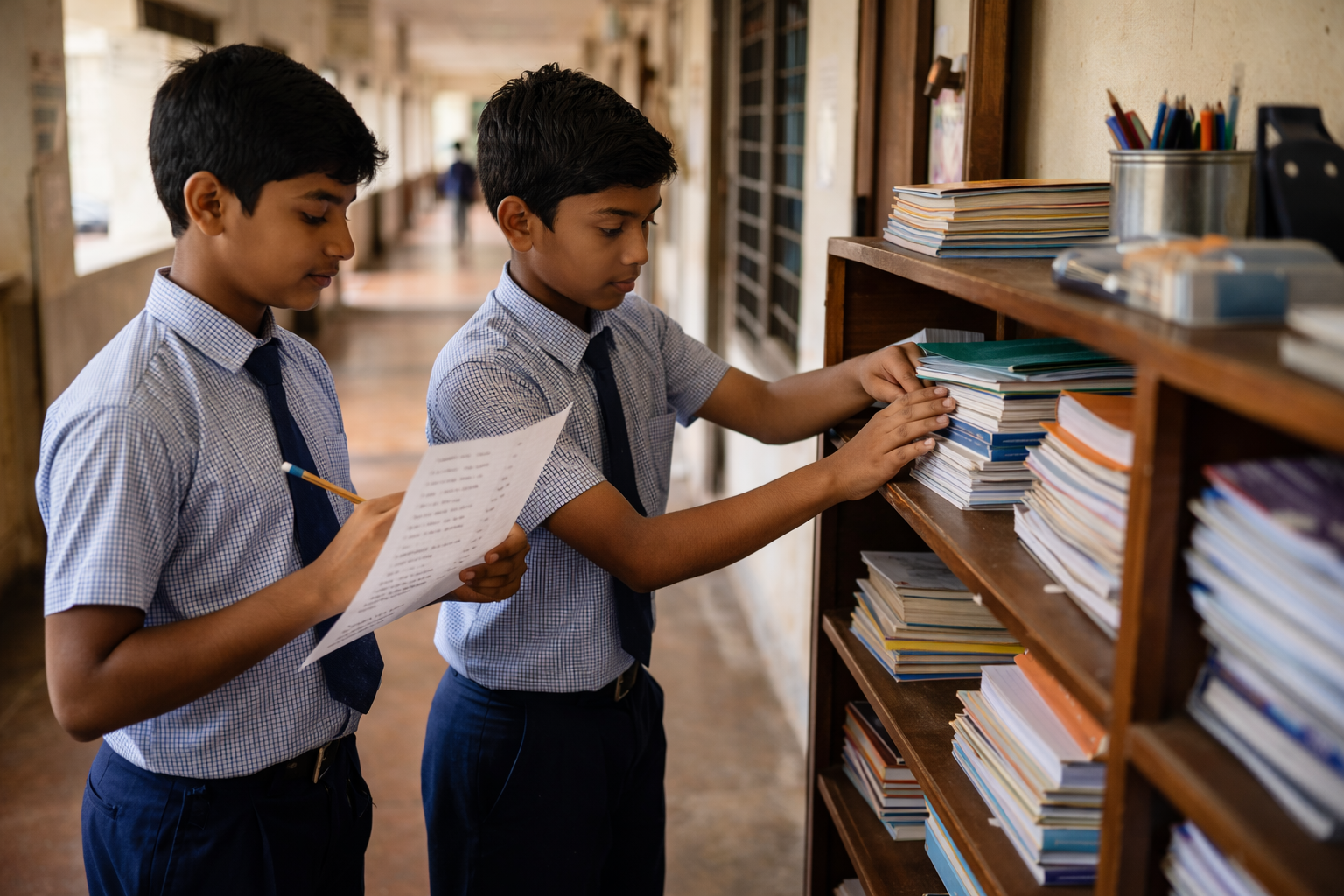
Strong habits grow when students handle real tasks, reflect on actions, and learn through small duties that repeat across daily school and home life.
• Give Responsibility That Feels Real
Students respond better when tasks matter. Small roles like managing materials or guiding peers help them feel trusted and answerable for outcomes.
• Build Reflection into Daily Work
After each task, students should think about choices, mistakes, and effort. This builds awareness and helps them adjust their behaviour next time.
• Connect Leadership with Daily Skills
Leadership grows with communication and social understanding. Group work, reading, and discussion slowly shape judgment, patience, and the ability to listen.
• Keep Practice Part of Routine
Regular routines create steady habits. Repeated roles in class, simple duties, and shared work help students build consistency without pressure or display.
Activities That Make Growth Visible
Many children learn faster when they can see the result of their effort. Good leadership activities for students should feel practical and linked with real school life.
Start Small in the Classroom
Simple routines often work better than dramatic events. They ask less performance and create more regular practice.
- Let one student lead a short discussion.
- Use reading circles with rotating responsibility.
- Ask pairs to solve one class issue.
Use Projects and Service Work
Shared work teaches patience because real tasks rarely move in a straight line. It also reveals habits that adults can guide.
- Plan a small library or garden project.
- Divide roles and let students manage time.
- Review the conduct after the work is done.
A Simple View of Practice
The table below shows how a few methods support student growth in different ways.
| Activity | What Students Learn | Best Setting |
|---|---|---|
| Class Duty Rotation | Reliability and Follow-through | Daily Classroom Life |
| Group Project | Planning and Cooperation | Subject Work |
| Peer Welcome Role | Care and Confidence | New Term |
| Service Task | Responsibility and Empathy | Community Work |
Habits That Make a Student Worth Following

Students earn respect through steady behaviour, fair actions, and honest effort. Leadership becomes visible when others feel safe, heard, and supported.
• Character Holds the Group Together
Students who stay honest and patient during pressure build trust. Others rely on them because their actions remain steady across changing situations.
• Reliability Builds Quiet Respect
A student who completes tasks and keeps promises gains respect without asking for it. Consistency often matters more than strong speaking or display.
• Listening Shows Real Strength
Good leaders listen with care, even when they disagree. They allow others to speak and consider views before making decisions within the group.
• Confidence Should Support Others
True confidence is shown by lifting others, not controlling them. Students who share credit and include peers create balance within group work.
Mayoor School Noida
Mayoor School Noida offers an environment where academic learning and personal growth can move together. As a well-established institution among CBSE schools in Noida, our school blends strong values with modern teaching methods.
The location suits families searching for schools near Noida Expressway. With attention to overall development, Mayoor continues to be seen as one of the best schools in Noida Expressway. Such an environment can support teamwork, expression, discipline, and responsibility.
Also Read: Importance of Discipline in Student Life
Conclusion
Teaching children to lead is not about producing a speaker or a class star. It is about helping them become steady, thoughtful, and responsible in shared spaces. Over time, they learn to listen well, carry duties, solve problems, and treat others with respect. These habits stay with them beyond school.
They shape study, friendship, work, and public life. When adults give children trust, guidance, and enough room to grow through mistakes, leadership becomes part of character, built slowly and carried for years with quiet strength and purpose in adulthood and beyond.
Key Takeaways
- Children learn leadership through daily duties, shared work, and honest reflection.
- Schools and families shape character with trust, fair limits, and calm correction.
- Real growth comes from practice, not praise alone, and from chances to guide others.
- Students need room to speak, listen, decide, and repair mistakes without shame.
- A steady child may lead through fairness, patience, and reliable action.
- Good schools support this growth through routine, teamwork, and mentoring.
FAQs
Q1. How to develop leadership in students through daily routines?
Ans. Initiate using daily duties plus classroom assignments. Students develop through action and by helping others. Little habits build character, including steady trust without vocal training or any formal public speeches.
Q2. Why should leadership skills begin during early education?
Ans. Children encounter group pressure during their youth. Managing these moments assists growth. Starting young ensures they handle disagreements or decisions with fairness plus patience before adult life commences.
Q3. How can teachers help students recover from mistakes?
Ans. Safety remains vital for progress. Teachers must offer firm correction without causing shame. Reflection allows students to understand their choices plus improve their actions during future group projects.
Q4. Which leadership qualities are most important for students?
Ans. Sturdy leaders possess steadiness plus reliability. Character matters despite charm or loud words. Students possessing active listening plus fairness demonstrate strength through consistent, honest action.
Q5. What makes Mayoor School Noida good for leadership?
Ans. This institution combines academic learning with personal development. It presents an environment where students practice teamwork plus responsibility. Families find modern methods plus strong values near the Noida Expressway location.
